


Pre-Prostatectomy Physiotherapy in Singapore: Pelvic Floor Prehab Before Prostate Surgery

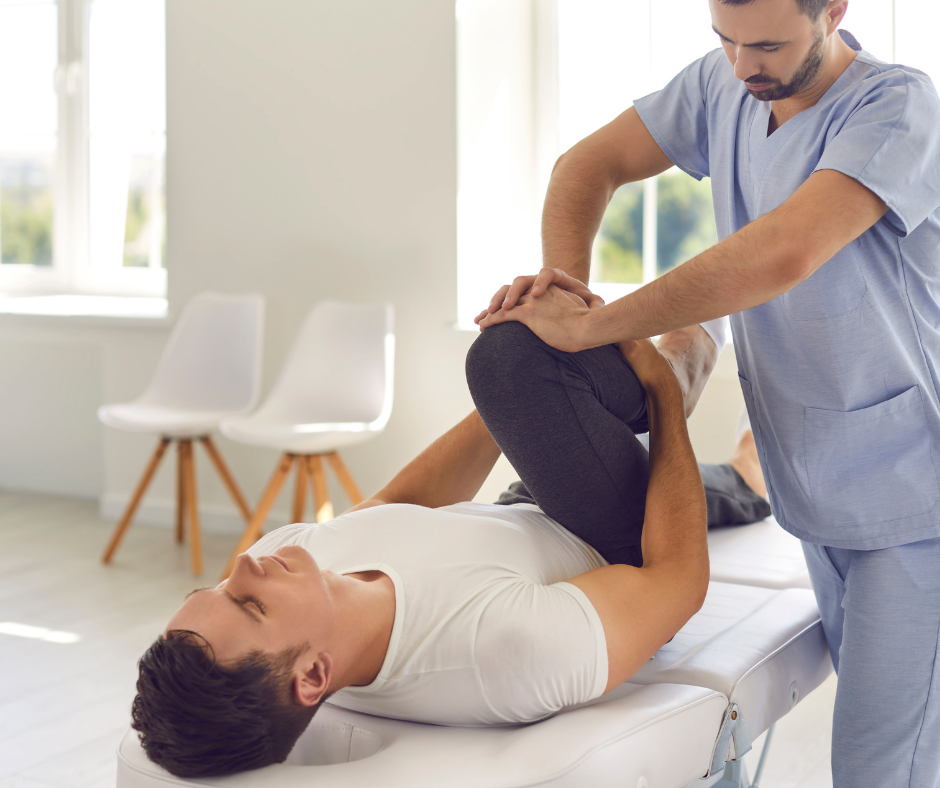
Preparing for prostate surgery often involves consultations with surgeons, medical tests, and discussions about treatment options. However, many men are surprised to learn that recovery preparation can begin before the operation itself.
This approach is often referred to as prehabilitation, or "prehab."
Rather than waiting until after surgery to think about rehabilitation, prehabilitation focuses on preparing your body beforehand so that you feel more confident and informed heading into recovery.
One of the most common questions we hear is:
"Is there anything I can do before surgery to improve my recovery afterwards?"
In many cases, the answer is yes.
What Is Pre-Prostatectomy Physiotherapy?
Pre-prostatectomy physiotherapy is a form of prehabilitation that takes place before prostate surgery.
The goal is not to treat problems that have not yet occurred. Instead, it is about helping you prepare for the physical changes that may occur after surgery and ensuring you understand the role of rehabilitation during recovery.
Research has increasingly highlighted the role of pre-operative exercise programmes and pelvic floor training as part of a broader prehabilitation strategy before radical prostatectomy.
Why Consider Physiotherapy Before Surgery?
Most people naturally focus on the operation itself.
However, the weeks before surgery provide an opportunity to:
Learn pelvic floor exercises correctly
Understand recovery expectations
Improve confidence before surgery
Establish healthy bladder and bowel habits
Create a rehabilitation plan for after surgery
Ask questions about recovery and activity progression
Many men find that having a clearer understanding of what lies ahead helps reduce uncertainty and anxiety.
What Is the Pelvic Floor?
The pelvic floor is a group of muscles located at the base of the pelvis.
These muscles contribute to:
Bladder control
Bowel control
Pelvic support
Sexual function
After prostate surgery, the pelvic floor often plays an even more important role in supporting continence recovery.
For this reason, learning how to correctly activate these muscles before surgery is commonly included as part of prehabilitation programmes.
Why Learn Pelvic Floor Exercises Before Surgery?
Many patients are given pelvic floor exercise instructions after surgery.
The challenge is that learning a new skill can be difficult when you are simultaneously recovering from a major procedure.
Learning the exercises before surgery offers several potential advantages:
You have time to practise the technique
You can receive feedback on whether you are using the correct muscles
You become familiar with your rehabilitation programme
You know what to expect after surgery
Importantly, pre-operative physiotherapy is not simply about handing out an exercise sheet. The goal is ensuring you understand how the exercises should be performed and how they fit into your recovery journey.
What Happens During a Pre-Surgery Physiotherapy Assessment?
One of the biggest misconceptions is that prehab is just about exercises.
A physiotherapy assessment typically includes much more.
Depending on your situation, the assessment may include:
Discussion of upcoming surgery
Review of your medical history
Assessment of pelvic floor awareness- real time ultrasound imagery and or anal assessment maybe required
Bladder and bowel habit review
Breathing and pressure-management assessment
Discussion of physical activity levels
Goal setting for recovery
This allows rehabilitation advice to be tailored to your lifestyle and concerns rather than applying a one-size-fits-all approach.
Bladder and Bowel Preparation Matters Too
Pelvic health is about more than pelvic floor exercises.
Bladder and bowel habits often form part of pre-operative preparation because they can influence recovery and overall pelvic health.
Discussions may include:
Fluid intake habits
Bladder awareness
Constipation prevention
Bowel regularity
Reducing unnecessary straining
These topics may seem unrelated to surgery at first, but they often become highly relevant during the recovery period.
What Questions Should You Ask Before Surgery?
A pre-operative appointment can be an opportunity to ask questions such as:
When should I start pelvic floor exercises?
How will rehabilitation progress after surgery?
When can I return to exercise?
What activities should I avoid immediately after surgery?
How do I know if I'm performing exercises correctly?
What are realistic recovery expectations?
Having these conversations before surgery can help you feel more prepared and avoid relying on conflicting information later.
Will Prehab Guarantee a Better Outcome?

This is an important question.
No physiotherapist can guarantee specific outcomes after surgery.
Recovery is influenced by many factors, including:
Surgical factors
Overall health
Fitness levels
Healing capacity
Individual circumstances
However, research has suggested that pre-operative pelvic floor training and prehabilitation may support continence recovery and improve preparedness for rehabilitation after surgery.
The goal is not a guarantee. The goal is giving yourself the best possible foundation for recovery.
Who Should Consider Pre-Prostatectomy Physiotherapy?
Prehab may be worth considering if:
You are scheduled for prostate surgery
You want to prepare for rehabilitation before the operation
You're unsure how to perform pelvic floor exercises
You have questions about recovery expectations
You prefer a proactive rather than reactive approach
Many men find value in simply having a structured plan before surgery begins.
Preparing for Recovery Starts Before Surgery
One of the biggest misconceptions about rehabilitation is that it only begins after the operation. Recovery often starts before surgery takes place.
Understanding pelvic floor function, establishing healthy habits, and learning what to expect can help reduce uncertainty and make the recovery process feel more manageable.
If you're preparing for prostate surgery and wondering whether prehabilitation is worthwhile, a physiotherapy assessment can help you understand what preparation may be beneficial and how rehabilitation may fit into your overall recovery journey.
At PhysioMatters Singapore, we help men prepare for prostate surgery through personalised prehabilitation programmes that focus on pelvic floor education, recovery readiness, and building confidence before the operation takes place.
Contact us today!
References
Mungovan SF, Carlsson SV, Gass GC, Graham PL, Sandhu JS, Akin O, et al. Preoperative Exercise Interventions to Optimize Continence Outcomes Following Radical Prostatectomy. 2021. https://pmc.ncbi.nlm.nih.gov/articles/PMC8030653
Zhou L, Chen Y, Yuan X, Zeng L, Zhu J, Zheng J. Preoperative Pelvic Floor Muscle Exercise for Continence After Radical Prostatectomy: A Systematic Review and Meta-analysis. 2023. https://www.frontiersin.org/journals/public-health/articles/10.3389/fpubh.2023.1186067/full
Terek-Derszniak M, Gąsior-Perczak D, Biskup M, et al. Continence Recovery After Radical Prostatectomy: Personalized Rehabilitation and Predictors of Treatment Outcome. 2025. https://www.mdpi.com/2075-4418/15/22/2881
Contact Information
Email: hello@physiomatters.com.sg
Tele: +65 9352 9067
Address: 360 Orchard Road #10-07 International Building, 238869



Comments