


Postpartum Recovery Timeline: When Physiotherapy Becomes Essential

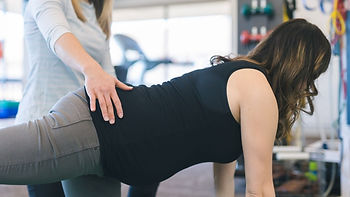
By PhysioMatters | Women’s Health Physiotherapy Singapore
Postpartum recovery is often simplified to a single milestone—the 6-week check-up. However, evidence from women’s health physiotherapy and obstetric research shows that recovery is a progressive biological and neuromuscular process that extends far beyond this point.
For many new mothers, the real question is not if physiotherapy is needed, but when postpartum physiotherapy becomes essential.
From a clinical perspective, there are key recovery phases where timely physiotherapy intervention plays a critical role in:
Preventing long-term dysfunction
Supporting tissue healing
Enabling a safe return to exercise and daily activities
Why Postpartum Physiotherapy Matters
Childbirth places significant stress on multiple body systems, including:
Pelvic floor muscles
Abdominal wall (including diastasis recti)
Ligaments and connective tissue
Postural alignment and movement patterns
A systematic review (Woodley et al., 2017) highlights that pelvic floor dysfunction, including urinary incontinence and prolapse symptoms is common postpartum and may persist without targeted rehabilitation. Similarly, evidence from Cochrane Reviews (2018 update) shows that:
Structured pelvic floor muscle training is more effective than no intervention (“watchful waiting”) for postpartum recovery.
Key takeaway: Postpartum physiotherapy is not optional for many women—it is a preventative and restorative intervention.
0–2 Weeks Postpartum: Early Healing Phase
Physiotherapy Support is Often Underestimated
What’s happening in the body
This is the acute tissue healing phase, characterised by:
Lochia (postnatal bleeding)
Perineal or abdominal pain (including C-section recovery)
Fatigue and sleep disruption
Reduced core and pelvic floor activation
Nygaard et al. (2021) emphasise:
“The early postpartum period is a time of active regeneration and healing of the pelvic floor.”
This means premature loading or incorrect movement strategies may disrupt healing.
When physiotherapy becomes important:
Even at this early stage, physiotherapy plays a crucial role through:
Breathing and pelvic floor coordination
Gentle activation (not strengthening)
Postural guidance (especially during feeding and carrying)
Education on pressure management (e.g., getting out of bed, lifting baby safely)
Clinical insight: Early guidance helps prevent compensatory bracing patterns that may contribute to later issues such as incontinence, prolapse, or persistent abdominal separation.
2–6 Weeks Postpartum: The “Silent Dysfunction” Phase
This phase is often overlooked because many women begin to feel physically better. However, internal recovery is still incomplete.
Common clinical findings
Diastasis recti (abdominal separation)
Pelvic floor weakness or poor coordination
Lower back or pelvic girdle pain
Reduced load tolerance
What the evidence says
The postpartum period is increasingly recognised as the “fourth trimester”, with ongoing physiological recovery beyond 6 weeks (Bodner-Adler et al., 2020).
Women remain:
Vulnerable to pelvic floor strain
At risk of developing dysfunctional movement patterns
Underprepared for return to exercise
When physiotherapy becomes essential
This is a critical intervention window. Physiotherapy should include:
Pelvic floor muscle assessment (strength, endurance, coordination)
Diastasis recti screening and abdominal wall assessment
Movement pattern correction
Early, graded strengthening
Clinical insight: Many long-term postpartum issues originate here when early dysfunction is missed or ignored.
6 Weeks Postpartum: The Medical Clearance Gap
Many women are told they are “cleared” at 6 weeks—but this is often misinterpreted as full recovery.
What research shows
At 6 weeks postpartum:
Pelvic floor strength is often still reduced
Abdominal wall healing may be incomplete
Load tolerance is insufficient for high-impact activities
Evidence (Dumoulin & Hay-Smith, Cochrane Review) confirms:
Pelvic floor muscle training significantly improves postpartum urinary incontinence compared to no treatment.
Why physiotherapy is essential at this stage
Physiotherapy bridges the gap between medical clearance and functional readiness.
Key components include:
Full musculoskeletal and pelvic health assessment
Individualised strengthening programme
Return-to-exercise screening (e.g., running, gym, lifting)
Monitoring symptoms (leakage, heaviness, pain, doming)
Clinical insight: Being “cleared” does not mean the body is ready—objective assessment is critical to prevent delayed dysfunction.
3 Months Postpartum: The Functional Loading Phase

By 3 months postpartum, many women aim to return to:
However, recovery is still ongoing, particularly in:
Pelvic floor endurance
Deep core coordination
Load management capacity
What the evidence says
Recovery of pelvic floor function may continue for:
6–12 months or longer, especially after vaginal delivery, instrumental birth, or higher tissue strain (Dietz, 2015)
When physiotherapy becomes essential
At this stage, physiotherapy focuses on:
Progressive strength and conditioning
Impact preparation (jumping, running drills)
Load progression strategies
Return-to-performance planning
Clinical insight: This phase is crucial for preventing recurrence of symptoms when returning to higher-level activity.
Postpartum Physiotherapy Timeline: When It Becomes Essential
Postpartum physiotherapy is not a one-time session—it is a structured, staged rehabilitation process:
0–2 weeks: Education and safe early recovery
2–6 weeks: Early detection and correction of dysfunction
6 weeks: Structured assessment before exercise progression
3 months: Safe return to impact and higher-level activity
Final Clinical Message from PhysioMatters Singapore
Postpartum recovery is not defined by a 6-week timeline, it is a progressive neuromuscular and tissue healing journey. Evidence consistently shows that early, guided physiotherapy:
Reduces the risk of pelvic floor dysfunction
Improves abdominal and core recovery
Supports a safe and sustainable return to exercise
Enhances long-term musculoskeletal health
At PhysioMatters Singapore, we provide evidence-based postpartum physiotherapy tailored to each stage of recovery, helping you return to activity safely, confidently, and sustainably. Contact us today!
Cheers
Contact Information
Email: hello@physiomatters.com.sg
Tele: +65 9352 9067
Address: 360 Orchard Road #10-07 International Building, 238869


Comments